
Your Complete Guide to Windshield Tinting
Driving in bright sunlight is often more than just annoying: it can be unsafe and damaging. Glare makes it harder to see the road clearly, while prolonged sun exposure can harm your skin and accelerate wear on your car’s interior. Windshield tinting offers a practical solution, providing more than just a sleek look. It enhances comfort, protects your health, and improves overall driving safety. Explore everything you need to know about tinting your windshield, from its benefits and types of films to legal considerations and maintenance tips.
Understanding Windshield Tinting
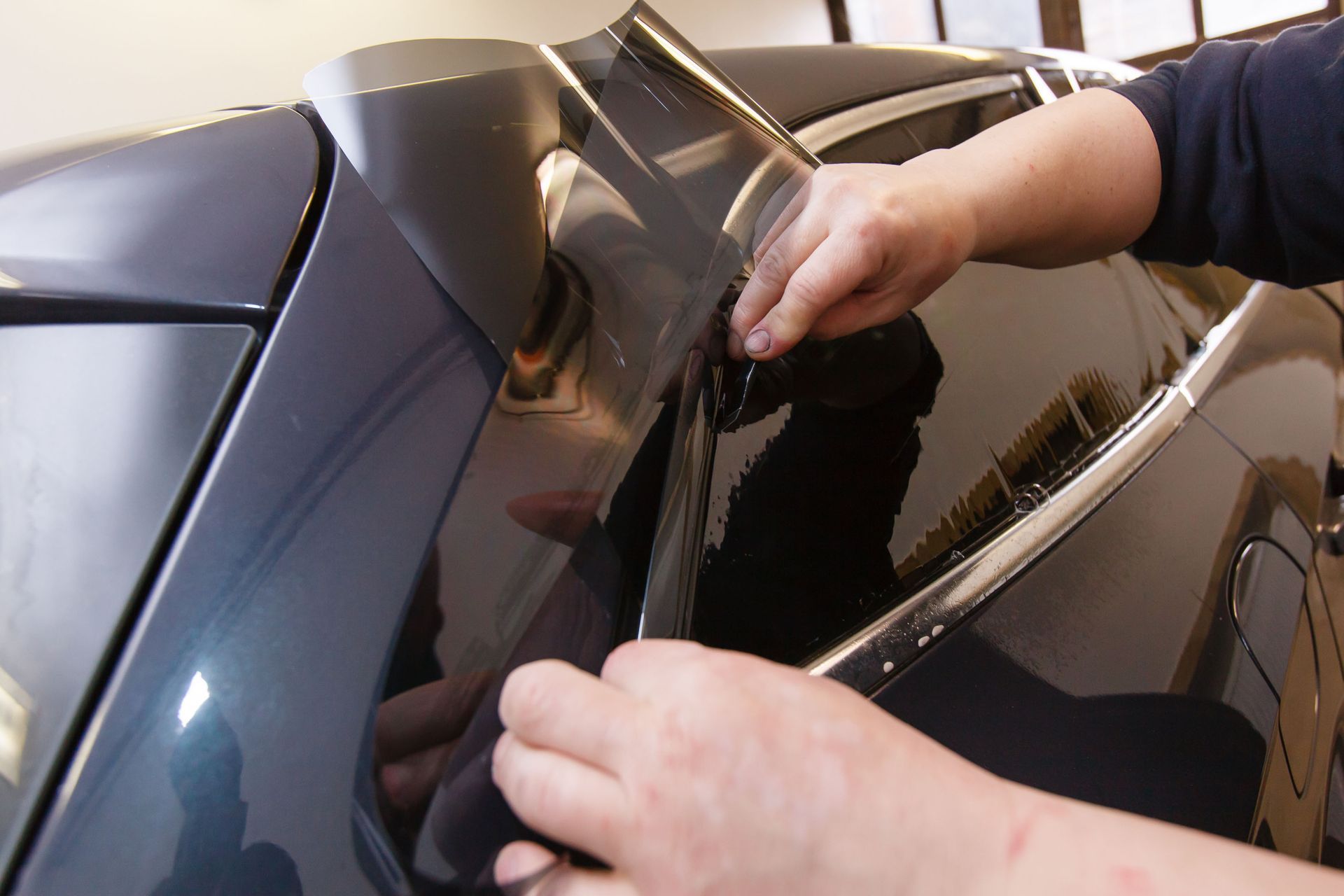
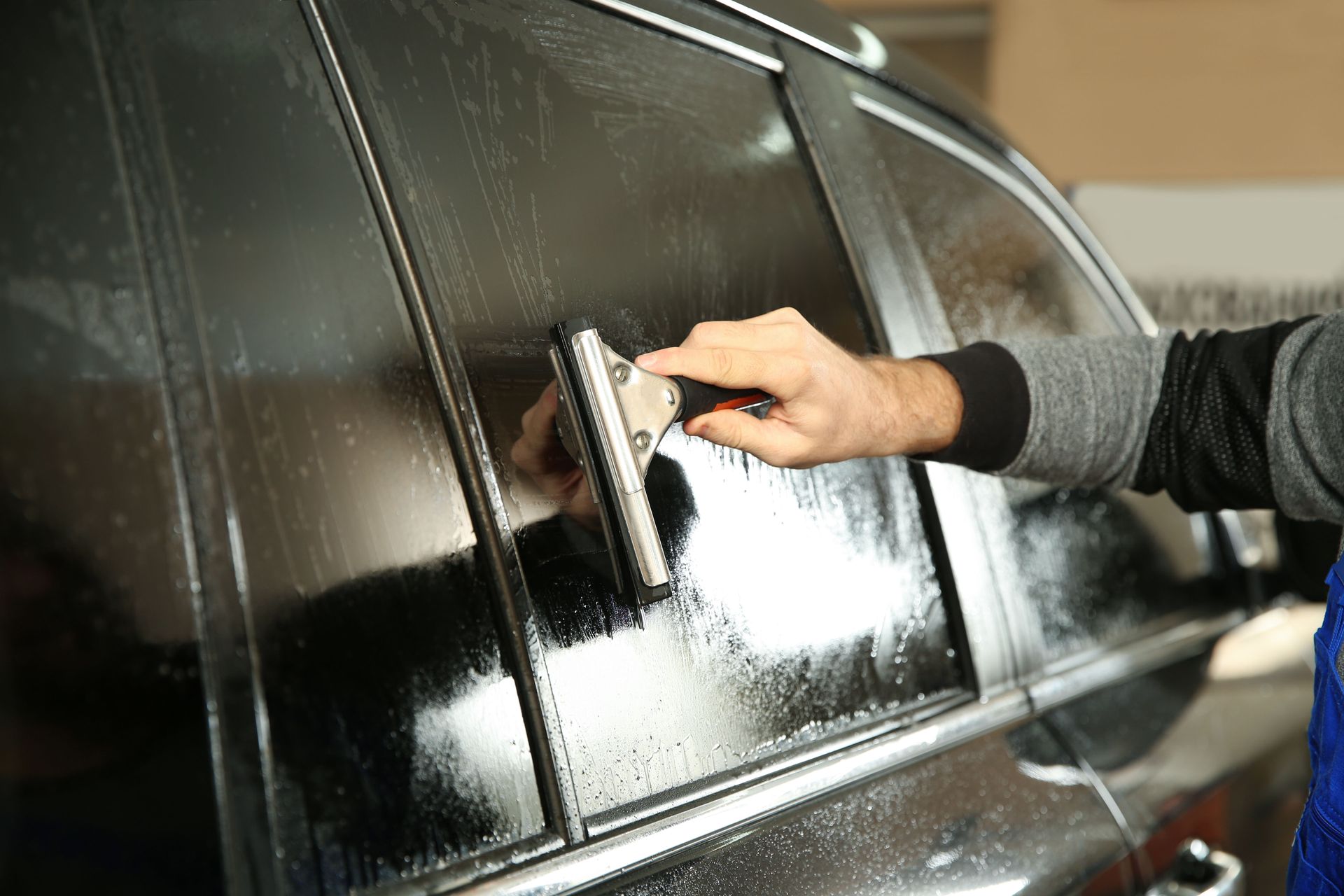
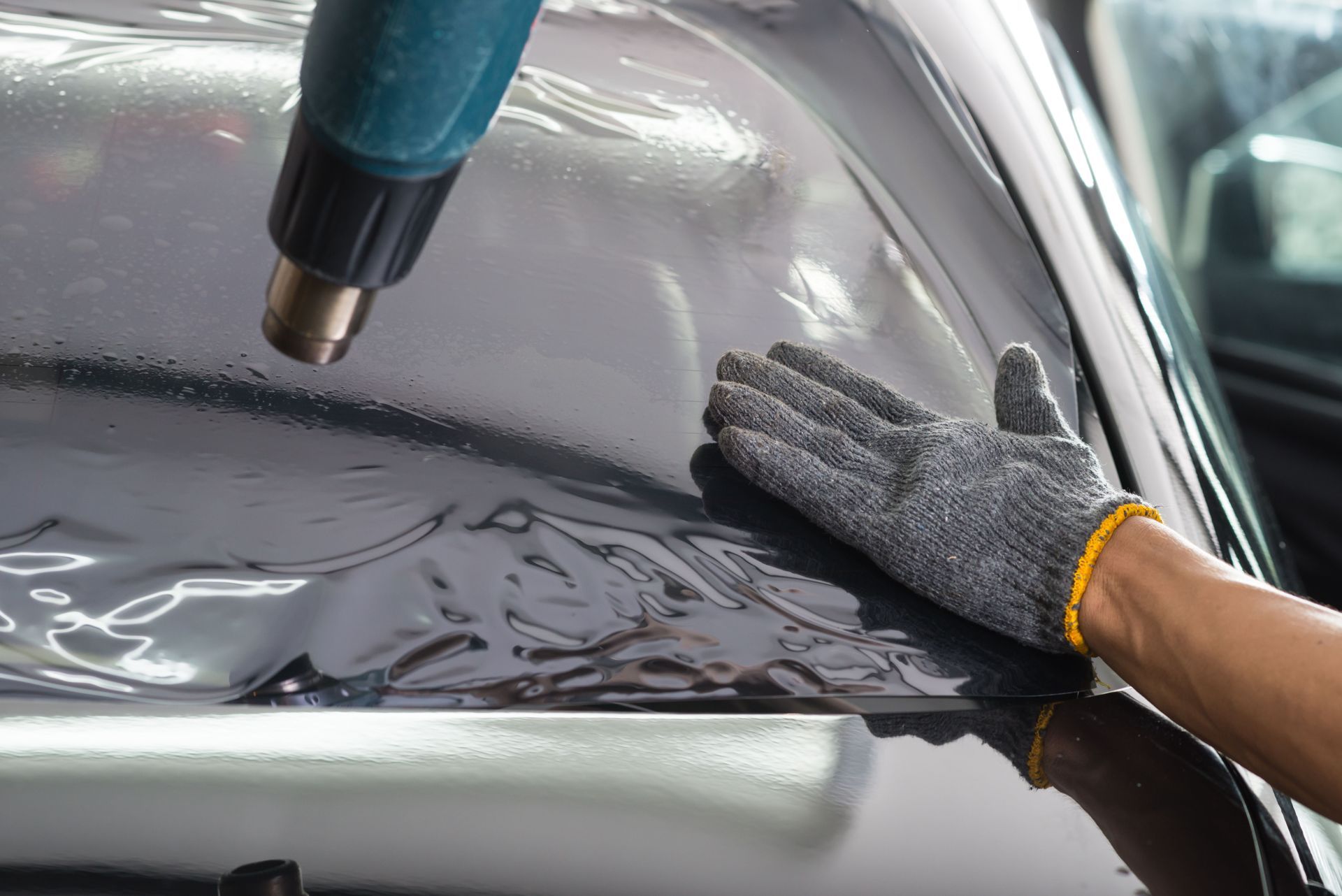
This process involves applying a thin film to your car’s windshield to reduce glare, block UV rays, and improve overall comfort while driving. These films can be made from materials like polyester and may include a variety of coatings to enhance their effectiveness. Unlike standard window tinting, which is typically applied to side and rear windows, windshields require precision due to their impact on visibility and compliance with legal standards.
The primary function of a tinted windshield is to protect both the driver and the vehicle’s interior. Ultraviolet rays from the sun can gradually degrade upholstery, dashboard materials, and even electronic components inside the car. Tinting reduces this damage, extending the lifespan of your vehicle’s interior.
Tinting can also improve energy efficiency by keeping your car cooler, reducing the need for air conditioning on hot days. Drivers also find that tinted windshields minimize glare from bright sunlight or reflective surfaces, making driving more comfortable and safer.
Protecting Yourself and Your Car
Tinted windshields provide numerous practical and health-related advantages. One of the most significant benefits is protection against harmful ultraviolet rays. Prolonged exposure to UV radiation can cause skin damage, premature aging, and increase the risk of skin cancer, and high-quality tinting films can block nearly all incoming UV rays. Another advantage is the reduction of glare, which can be a major safety concern during both day and night driving. By limiting glare from sunlight or oncoming headlights, tinting helps drivers maintain better visibility and reduces eye strain.
Windshield tinting also protects the interior of a vehicle. Sunlight can fade leather seats, crack dashboards, and degrade other surfaces over time, but a tinted windshield slows down this damage. In addition to protecting surfaces, tinted windshields help regulate the interior temperature of the car. By reducing the amount of heat entering through the glass, it keeps the cabin cooler during hot weather, which not only improves comfort but also reduces fuel consumption by lessening the demand for air conditioning.
Some types of tinting film also provide additional shatter resistance, meaning that in the event of an accident or impact, the glass is less likely to break into dangerous shards. This adds an extra layer of safety for both the driver and passengers.
Choosing the Right Tinting Film
There are several tinting options for windshields, each offering different levels of performance and durability. Dyed films use a layer of dye to absorb sunlight, making them a cost-effective option for basic glare and heat reduction, although they may fade over time and provide less UV protection compared to other films. Metallic films incorporate tiny metallic particles that reflect heat and ultraviolet rays more effectively than dyed films. While these films provide better protection, they can sometimes interfere with electronic signals such as GPS and mobile phones.
Ceramic films are considered the most advanced form of windshield tinting. They offer excellent heat rejection and UV protection while remaining fully compatible with electronic devices, and their color and performance remain stable over time. Carbon films provide a dark, matte finish and are highly effective at reducing heat. Unlike dyed films, carbon films do not fade, and they also block a substantial amount of UV radiation, offering both aesthetic appeal and functional protection.
The demand for automotive tinting films is growing steadily. According to Grand View Research, the size of the vehicle tinting film market is projected to increase at a compound annual growth rate of 5.2% from 2024 to 2030. More vehicle owners are seeking the benefits of tinting for enhanced comfort, safety, and interior protection. Whether you choose dyed, metallic, ceramic, or carbon films, each type of tinting offers unique advantages suited to different needs and budgets.
Following Legal Guidelines
Before applying any form of tinting, it is crucial to understand the legal restrictions in your area. Laws regulating the darkness and reflectivity of windshield tints vary by state and country, and failure to comply with these regulations can result in fines or the requirement to remove the tint. Many jurisdictions allow only a narrow strip of tint at the top of the windshield, often referred to as the “eyebrow” area, while side and rear windows may have different permissible levels of darkness.
Windshield tinting must also comply with safety standards. The film should not impair visibility or affect the driver’s ability to see clearly under all driving conditions. Some types of metallic films, for instance, may interfere with electronic signals, which could impact GPS navigation or mobile device reception, and may be restricted by law in certain regions.
To ensure compliance, it is recommended to have tinting applied by certified professionals who are familiar with local regulations and can advise on the correct type of film and placement. By adhering to legal requirements, vehicle owners can enjoy the benefits of a tinted windshield without compromising safety or facing penalties.
Caring for Your Windshield Tint
The proper maintenance of a tinted windshield is essential to maximize its lifespan and effectiveness. After installation, it is important to avoid rolling down the windows for at least a few days to allow the adhesive to fully cure. Cleaning should be done using non-abrasive, ammonia-free solutions to prevent damage to the film. Harsh chemicals or rough cleaning tools can cause scratches or peeling, reducing both the aesthetic and protective benefits of the tint.
Tinted windshields are designed to be durable, but exposure to extreme temperatures and direct sunlight over time can affect their performance. Regular inspections can help identify any signs of bubbling, peeling, or discoloration early on, allowing for timely repairs. Additionally, drivers should be mindful when removing ice or frost from their windshields in cold climates, as aggressive scraping can damage the tint. With proper care and professional installation, windshield tints can last many years, providing consistent UV protection, glare reduction, and interior preservation.
Windshield tinting is more than a simple cosmetic enhancement; it is a practical investment in comfort, safety, and vehicle longevity. By reducing glare, blocking harmful UV rays, protecting the interior, and even adding shatter resistance, tinting films provide numerous advantages for drivers and passengers alike. Understanding the different types of films, legal considerations, and proper maintenance practices is essential for making the most of this upgrade.
As the automotive tinting film market continues to grow, more drivers are recognizing the benefits of tinted windshields. Whether you are looking to improve comfort on long summer drives, safeguard your skin, or protect your car’s interior, tinted windshields offer a solution that is both practical and long-lasting. Investing in professional installation and proper care ensures that your vehicle remains safe, stylish, and comfortable for years to come.
Protect your car and enhance your driving comfort with professional windshield tinting from Visions Glass Tinting, Inc. Contact us today to schedule your appointment and experience the difference in safety, style, and UV protection.

Share On: