
Reasons Why DIY Windshield Tinting Often Ends in Disaster
Trying to save money or speed things up can be tempting when it comes to vehicle upgrades, but some projects carry far more risk than they appear to at first glance. One of the most commonly underestimated upgrades is windshield tinting. What looks straightforward in short videos or quick guides often turns into a frustrating experience that leads to wasted materials, damaged glass, and disappointing results. Understanding why these attempts fail so often helps explain why so many drivers end up redoing the work entirely.
Visibility Issues Appear Almost Immediately
One of the first problems people notice is reduced clarity through the glass. Windshield tinting requires absolute precision to maintain clear visibility across the entire viewing area. Even minor distortions, bubbles, or uneven edges can cause glare at night or visual warping during daytime driving. These issues may seem small at first, but over time, they can strain the eyes and create unsafe driving conditions. A windshield is not like side glass, and mistakes tend to sit directly in the driver’s line of sight, where they are impossible to ignore. As lighting conditions change throughout the day, flaws that were barely noticeable can suddenly become distracting, especially during sunrise, sunset, or heavy rain. What initially looks acceptable can quickly turn into a constant visual annoyance behind the wheel.
Heat Shrinking Errors Ruin the Film
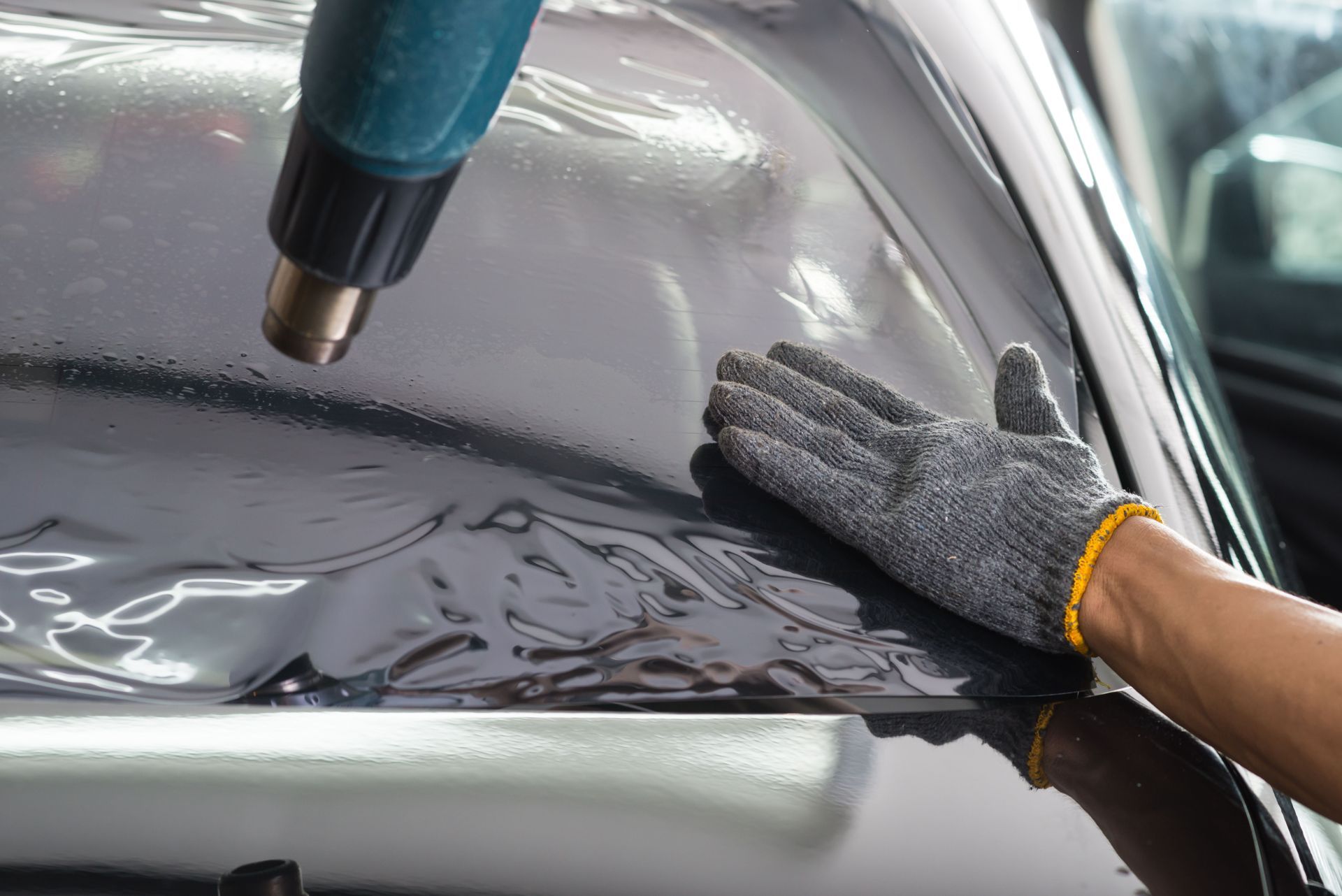
Applying film to curved glass is not as simple as laying it down flat. Windshield tinting involves controlled heat shrinking to contour the material smoothly to the glass surface. When this step goes wrong, the film can crease, ripple, or stretch unevenly. Once that happens, there is no way to correct it without removing the film entirely. Many people only realize after the fact that this step requires both experience and proper tools, neither of which is easy to substitute. Inconsistent heat application can also weaken the film itself, shortening its lifespan and increasing the chance of visible defects appearing later.
Dust and Debris Become Permanent Problems
No matter how clean a space may appear, airborne particles are almost always present. Windshield tinting demands an extremely clean environment, because even microscopic dust can become trapped under the film. Once sealed in, those particles form visible bumps that never go away. These imperfections catch sunlight and headlights, drawing constant attention and making the glass look unfinished. The frustration of noticing new debris days later is common and often leads to starting over from scratch. In some cases, particles shift slightly as moisture dries, creating streaks or clusters that become even more noticeable over time.
Edges Fail and Peeling Starts Early
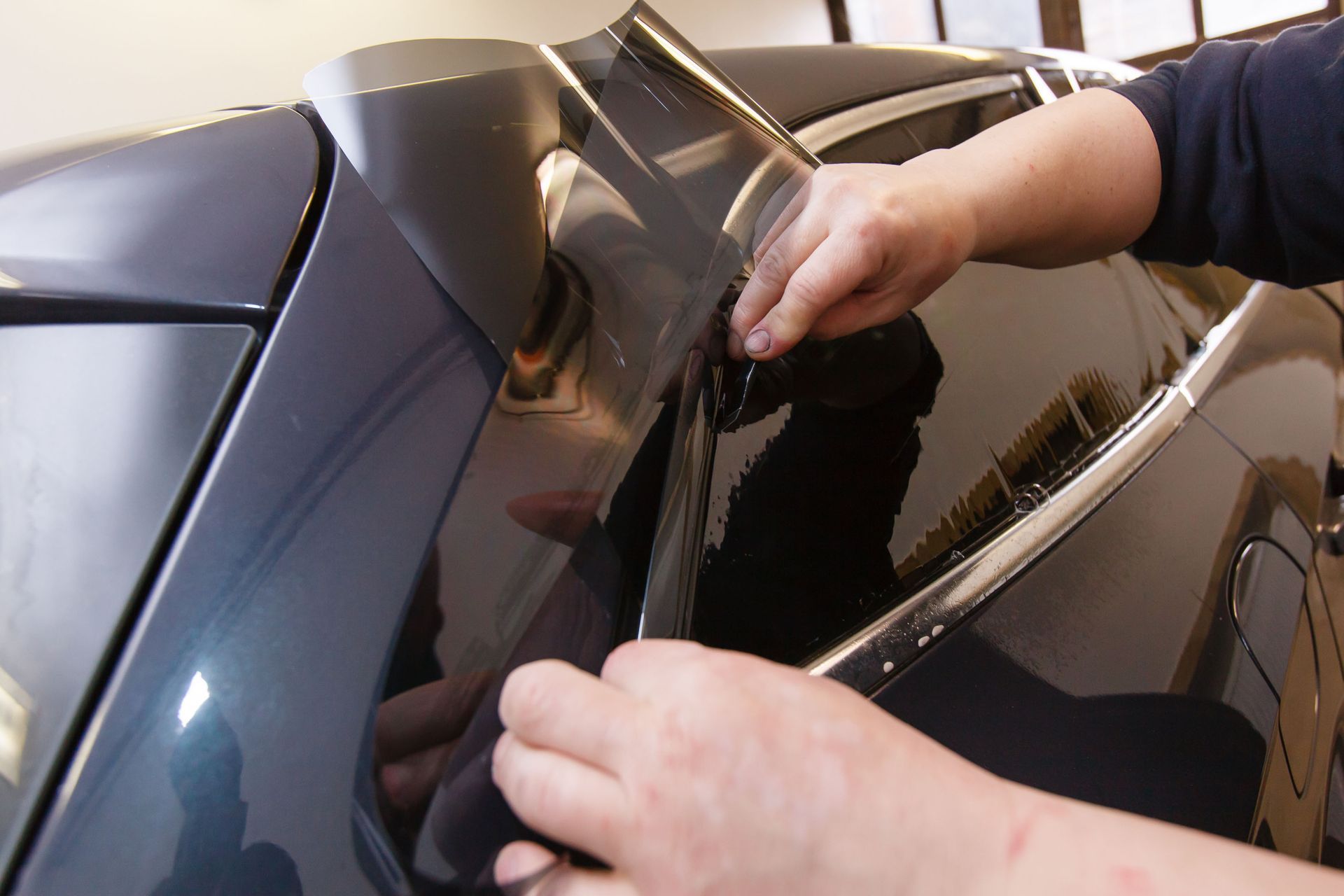
The edges of the windshield are one of the most challenging areas to finish cleanly. Windshield tinting requires precise trimming and proper adhesion along the borders, where curvature and seals create added difficulty. When edges are not handled correctly, peeling often begins within weeks. Heat, sunlight, and moisture accelerate the problem, causing the film to lift further over time. What starts as a small corner lifting can eventually spread across the entire surface.
Legal Compliance Is Frequently Overlooked
Regulations around windshield tinting vary by state and are often stricter for the windshield than for other windows. Many people focus on appearance without fully understanding visible light transmission limits and placement rules. This oversight can lead to inspection failures or citations that require the removal of the film. Fixing the issue later means additional expense and inconvenience, turning what was meant to be a simple upgrade into a drawn-out process. Even small miscalculations in shade or placement can push the tint outside legal limits, leaving drivers with little warning until a routine stop or inspection brings the issue to light.
Optical Distortion Becomes More Noticeable Over Time
Even when the installation initially looks acceptable, problems can emerge as the film settles. Windshield tinting that is not applied evenly can develop waves or distortion that become more obvious under certain lighting conditions. Sunlight at low angles or oncoming headlights at night can exaggerate flaws, making the glass uncomfortable to look through. These visual distractions often worsen gradually, leading drivers to realize months later that the result is not something they want to live with long-term. Seasonal temperature changes can also intensify these effects, as expansion and contraction highlight imperfections that were previously hidden.
Inferior Materials Break Down Faster
The automotive film market has expanded rapidly, and according to Grand View Research, the automotive tinting film market size is expected to grow at a CAGR of 5.2% from 2024 to 2030. With that growth comes a wide range of product quality. Windshield tinting performed with lower-grade materials tends to fade, discolor, or develop haze much faster. Once deterioration begins, visibility suffers, and replacement becomes the only option, adding cost and frustration. Inconsistent manufacturing can also lead to uneven coloration, creating a patchy appearance that makes the windshield look worn long before its time. Exposure to prolonged sunlight only accelerates these issues, making defects more noticeable with each passing season.
Water and Moisture Get Trapped Beneath the Surface
Proper moisture control is essential during windshield tinting. Excess solution trapped beneath the film can take a long time to evaporate, leaving behind streaks or cloudy areas. In some cases, moisture never fully escapes, especially around the edges. This can lead to a constantly blotchy appearance that never quite clears up. What might seem like a temporary issue often turns into a permanent flaw. As temperatures fluctuate, trapped moisture can shift slightly, causing patterns that appear and disappear depending on lighting and weather conditions.
Glass Curving Magnifies Every Small Mistake
Unlike flat windows, a windshield’s complex shape amplifies installation errors. Windshield tinting on curved glass leaves little room for adjustment once the film makes contact. A slight misalignment at the start can cascade into larger issues across the entire surface. Because the film cannot be repositioned easily, even a brief lapse in alignment can mean starting over with new material. The curvature also makes trimming more difficult, increasing the chance of uneven edges that draw the eye.
Time and Cost Add Up Faster Than Expected
Many people begin with the assumption that windshield tinting will be quicker and cheaper than it actually is. Between wasted film, additional tools, and repeated attempts, the process often consumes far more time and money than planned. The stress of trying to correct visible flaws only adds to the frustration. By the end, it becomes clear that the initial savings were more illusion than reality. What starts as a weekend project can easily stretch into multiple attempts with diminishing returns.
In the end, the reasons these attempts fail are consistent and predictable. Windshield tinting demands precision, proper conditions, and a deep understanding of materials and glass behavior. When any of those elements are missing, the result is often frustration rather than satisfaction. Recognizing these challenges ahead of time can save drivers from unnecessary expense, repeated effort, and the lingering regret of a project that never quite turns out right.
If you are looking for a clean, reliable outcome without the headaches described above, it helps to work with a team that understands the nuances of automotive glass. Visions Glass Tinting, Inc. offers guidance and services designed to avoid the common pitfalls that leave so many drivers disappointed.
Share On: